



Meet
Autocapture



Back to gallery
Achieve your goals effectively with our free SMART goals template. Define Specific, Measurable, Achievable, Relevant and Time-Bound objectives for success.
A Free SMART Goals Template To Set and Achieve Goals
Achieve your goals effectively with our free SMART goals template. Define Specific, Measurable, Achievable, Relevant and Time-Bound objectives for success.
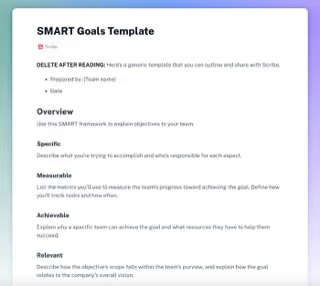
The SMART goal framework turns vague ideas into actionable plans by giving each objective a clear, measurable structure. No matter your industry, outlining each goal’s purpose, timeline and metrics makes it more achievable.
Using our free SMART goals template, you can define your team's objectives and track their progress toward achieving them.
What Are SMART Goals?
SMART goals follow a standard formula to make objectives attainable and measurable:
- Specific: Set clear goals that outline what you want to accomplish, who will be involved and why it matters.
- Measurable: Define associated metrics that let you track the objectives’ progress, and outline deliverables so you can determine when goals are reached.
- Achievable: Consider whether you have the available resources, skills and time to complete the goals. During this step, keep potential constraints and obstacles in mind.
- Relevant: Choose objectives that are within the team’s scope and related to their long-term goals.
- Time-bound: Use clear deadlines to prioritize important tasks and maintain motivation.
How To Write SMART Goals
Setting SMART goals starts with a clear understanding of what you want to achieve. From there, use the SMART framework to flesh out each aspect of the goal.
Say your company wants to make customer support phone calls more efficient. To achieve this, make the objective SMART:
- Specific: Reduce the time it takes for the customer support team to resolve complaints. This gives the company a reputation for being helpful and responsive.
- Measurable: Get the average call time down to five minutes or less. Monitor this with help desk software.
- Achievable: Give the support team additional resources to improve their efficiency, such as updated call center scripts and extra staff.
- Relevant: Host brainstorming meetings with the support team to ask their opinion on improving workflows.
- Time-bound: Complete this objective by the end of the year.
When you’re ready to explain your objectives, use our template as a helpful framework.
How To Track SMART Goals
SMART goals have specific metrics to help you monitor progress. Here are a few tips for measuring your goals.
Break Objectives Up
To avoid overwhelming your team, break goals into smaller, achievable steps. For larger projects, use the SMART goals template to create multiple documents that outline each phase. That way, you can measure their progress separately while keeping deadlines and objectives within reach.
Stick To the Defined Metrics
Use the predefined key performance indicators (KPIs) throughout the entire project. Adding new KPIs along the way can cause confusion and impact the team’s motivation. If you feel strongly that measuring a new metric would benefit your SMART goals, ask the whole team to approve it before implementing it. That way, everyone knows how to measure their own work before submitting it for approval.
Evaluate Your Progress Consistently
Gather metrics and discuss them with the team regularly. Quarterly, monthly or biweekly reviews will help everyone understand the project’s timeline and identify opportunities for process improvements.
Reassess and Edit Goals if Needed
Remain open to revising SMART goals if they aren’t attainable, measurable or relevant. Use your regular meetings to ask for feedback so everyone feels welcome to offer their opinion.
Frequently asked
questions
questions
SMART goal planning can take many forms, but here’s a basic formula that illustrates the concept:
“[Reach a specific outcome] by [a percentage or amount] in [a time frame] through [actionable steps.]”
Filled in, it may look like this:
“Increase website traffic by 20% in three months by publishing two blog posts per week and promoting them on social media.”
This SMART goal outline is a great example of which information to include in your objective.
The SMART format for goals breaks down team objectives into five principles: specific, measurable, attainable, relevant and time-bound. Following the SMART goals format will help you clearly define the team’s action plan for accomplishing objectives.
Click Use This Template at the top of this page to open the SMART goals template in Scribe. Then, click the Duplicate Page icon in the top right. Select which team you want the template saved to and whether to keep the linked Scribes. Click Duplicate, and the template will appear in your Scribe Dashboard within your chosen team. You can then open and edit it as needed.
Latest Templates.


Ready to try Scribe?


Copyright © 2026 Colony Labs, Inc. dba Scribe. All rights reserved.