



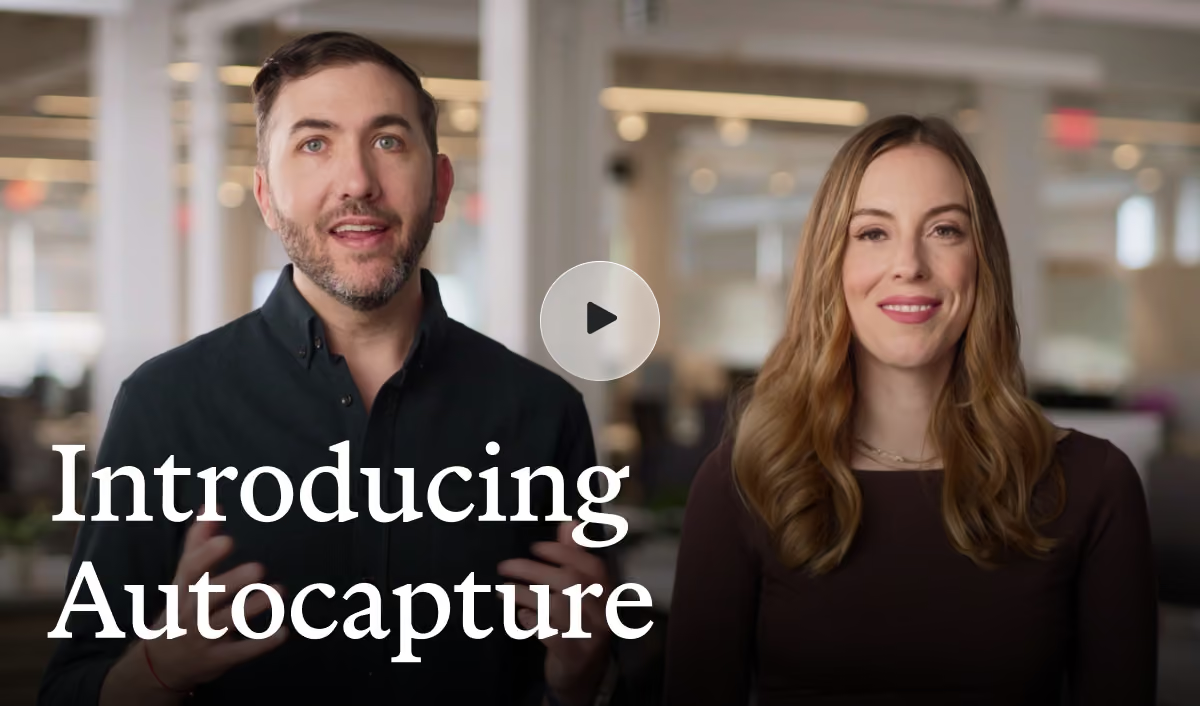
Meet
Autocapture


AI-Generated SOPs!
SOP generator for creating standard operating procedures
Discover our free, powerful SOP generator that creates professional SOPs in seconds. Save time and get back to the work you love with our efficient tool.
In this article

Use Scribe to create stunning SOPs in seconds.
How to Create SOPs Automatically with our AI Generator
Clear and effective standard operating procedures (SOPs) are important for documentation, training, answering questions and overall getting stuff done. But the manual process of creating them is time-consuming and tedious.
Instead of creating them yourself, Scribe, an AI-powered SOP generator can do it for you: Scribe transforms the way you develop and share how-to guides with just a few clicks.
"SOPs in seconds. The speed in which I can go from 'I need to show someone how to do something' to 'I have a step-by-step process that I can send you' is INCREDIBLE." — Sean Pritzkau
What is an SOP?
SOP stands for standard operating procedure, which is a set of step-by-step instructions and checklists on how to perform a process, workflow, or best practice, or meet regulations. SOP documents guide team members on the "how" of their work, ensuring consistency and compliance. These operational "encyclopedias" often also include org charts, showing hierarchical reporting structures and roles and responsibilities.
Creating an SOP is a time-intensive, but high-value task that helps organizations with onboarding new employees correctly, training existing employees, standardizing work, and creating an audit paper trail.
To lessen the effort and streamline the format, many SOP creators use a standard operating procedure template as an outline. Templates also help leaders quickly modify documentation as procedures change. Better yet, teams can use automated SOP generators, like Scribe, to translate their processes into step-by-step guides without having to perform any manual generation.
Common types of SOPs
SOP documents can cover virtually any business function that thrives on regularity—usually ones that take a step-based, systematic approach. Here are a few common SOP formats to know.
- Process SOPs for internal workflows: Internal workflow SOPs provide step-by-step written instructions with supporting visuals for routine tasks. Team members can reference these SOP documents to ensure consistency, efficiency, compliance, and quality, preventing errors and rework. These SOP documents are typically owned by team leads, like managers.
- Operational SOPs for daily tasks: Similar to process SOPs, operational ones document operations in step-by-step written and visual instructions, focusing on the technical, minute actions for completing tasks instead of high-level workflow progressions. This standard operating procedure documentation is generally owned by a range of team members, from leadership to end users to subject-matter experts (SMEs).
- Compliance and policy SOPs: These SOP formats document how organizations must perform work to meet regulations and quality standards. These step-by-step instructions encourage consistency in task-driven work and drive positive business outcomes while ensuring compliance. Leadership and department heads are often responsible for owning and writing SOPs on these topics.
- Customer service SOPs: These SOP documents standardize guidelines on customer service best practices, step-by-step workflows, and expectations. This guide for customer service team members is typically owned by the department's leaders.
- IT and technical SOPs: These SOP formats include step-by-step written and visual instructions on tech workflows and processes and are especially useful for training, quality control, and error reduction. They also ensure that the organization is meeting cybersecurity regulations. Usually, a subject-matter expert (SME), like a team lead or engineer) will write an SOP on this content.
Why use an SOP generator? Benefits & advantages
1. Break it down into manageable steps
It’s important to make your documentation as clear as possible so that it is easy for everyone to understand.
The best way to do this is to document the process exactly how it's done.
Scribe takes out the guesswork by following along and documenting exactly what you do while you do it, so that your SOPs match your workflow.
2. Prioritize consistency & standardization
To make sure that your standard operating procedures are clear, standardize the format. This means that the title, language, and visuals should be consistent between and within each SOP.
Each Scribe is auto-generated with a standard layout that you can customize to fit your needs. To make sure that your SOPs are searchable and shareable, Scribe uses ChatGPT to auto-generate a unique title for each SOP you generate based on your clicks and key presses.
3. Encourage feedback & continuous improvement
One of the best practices for creating SOPs and training documentation is to include the people who actually use them.
Encouraging feedback from team members and making adjustments based on their experiences will ensure that your documentation stays relevant and accurate. Scribe’s built-in feedback features allow your teammates to comment and react to your Scribes, making sure that you never miss any critical feedback.
"I was spending hours in my operations role documenting long and complicated digital processes. Due to the manual nature of this, it was very common for steps to be missed. Scribe has totally solved this issue. The software makes it so easy to record and document these processes, without a step being missed. I'm winning back multiple hours a week and the guides look so much better than our previous SOP template." — Josie Kritter
Getting started with Scribe’s AI-powered SOP generator

Step 1: Record your process
Once you’ve installed Scribe, navigate to the process that you want to document and click on the Scribe icon in your Chrome toolbar.

Then, click "Start Capture" to start the recording process. Scribe's AI SOP generator will automatically capture screenshots and text as you navigate through the process.

Step 2: Stop the capture
Once you’re done with your process, click "Stop Capture". This will stop the Scribe recording and auto-generate your SOP.

Step 3: Edit and customize your SOP
Once you've finished the process, Scribe will auto-generate a step-by-step guide for you based on the screenshots and text it captured.
Review the guide to ensure that it accurately reflects the process, and edit it as needed to add additional information or clarify any steps. You can customize your guide by adding tips and tricks, updating steps, and annotating screenshots.

You can also combine multiple guides with text and video in Pages.
Step 4: Share with your team
You can share your guide with your team by adding them to your Scribe workspace, sharing the guide via a link, or embedding it in your documentation.
You can also export your guide to PDF, HTML, or Markdown.
With Scribe, you can quickly and easily create detailed SOPs that will help you streamline your processes and improve your team's productivity.

With Scribe's AI SOP generator, you can quickly and easily create detailed SOPs that will help you streamline your processes and improve your team's productivity.
Frequently asked questions about SOPs
How long should an SOP be?
Standard operating procedures vary in complexity, with the most detailed SOP examples sometimes requiring dozens of pages of documentation. Aim to strike a balance: Provide comprehensive instructions for all procedures without using excessive, confusing language.
What are common mistakes when creating SOPs?
Common SOP mistakes include using complicated language, describing too many actions in one step, not following a consistent, legible format, and not updating the document when tasks and processes change. Another potential flaw is not including the right users and subject-matter experts when creating an SOP. Their inputs are essential to documenting processes correctly, since they have first-hand experience with the work.
How often should SOPs be updated?
SOPs should be updated any time a process or best practice changes, and it's smart to get into the habit of checking SOP documents for accuracy at regular intervals, like at the end of each quarter. Scribe Capture can help modify documentation when your processes change, ensuring that existing and new employees always have the most up-to-date workflow information, checklists, and guides.
Learn about what you can do with Scribe:
- Documentation Generator
- How-to Guide Generator
- Free ChatGPT SOP Generator
- ChatGPT Training Manual Creator
- Customer Service AI Writer
- Manual Creator
- Free Windows Screen Recorder
- Free Workflow Generator
- Free Procedural Text Generator
Looking for a specific type of SOP? We've got you covered!
- How to Design a Change Management SOP
- A Quick Guide on Creating Customer Service SOPs
- Free Customer Service SOP Templates
- SOPs for Agencies
- Free Digital Marketing SOP Templates
- 20 SOP Examples You Can Steal From Today
- 100+ Free SOP Templates: How to Write SOPs
- How to Create SOPs for Business Processes
Or check out these resources that we think you'll love!
- What are Business Procedures, Processes and Standards?
- Top 10 Best SOP Software for Your Team
- Best Free SOP Software That Won't Break the Bank
- 8 Tips on How to Write a How-to Guide
- Policy vs. SOP: What's the Difference?
- The Key to Efficiency: Standard Operating Guidelines
- How to Create a User Guide in 6 Easy Steps
- 6 Work Instruction Examples to Boost Process Efficiency
- Scribe vs. Minvera: Best Tool for Building How-to Documentation
- Scribe vs guidde: Which Documentation Software Should You Choose?
- Scribe vs. Dubble: The Best Process Documentation Solution
- Best SOP Chrome Extensions
Ready to get started? Try Scribe's free SOP generator and create your first SOP in seconds!





Copyright © 2026 Colony Labs, Inc. dba Scribe. All rights reserved.